
Sep 30, 2026
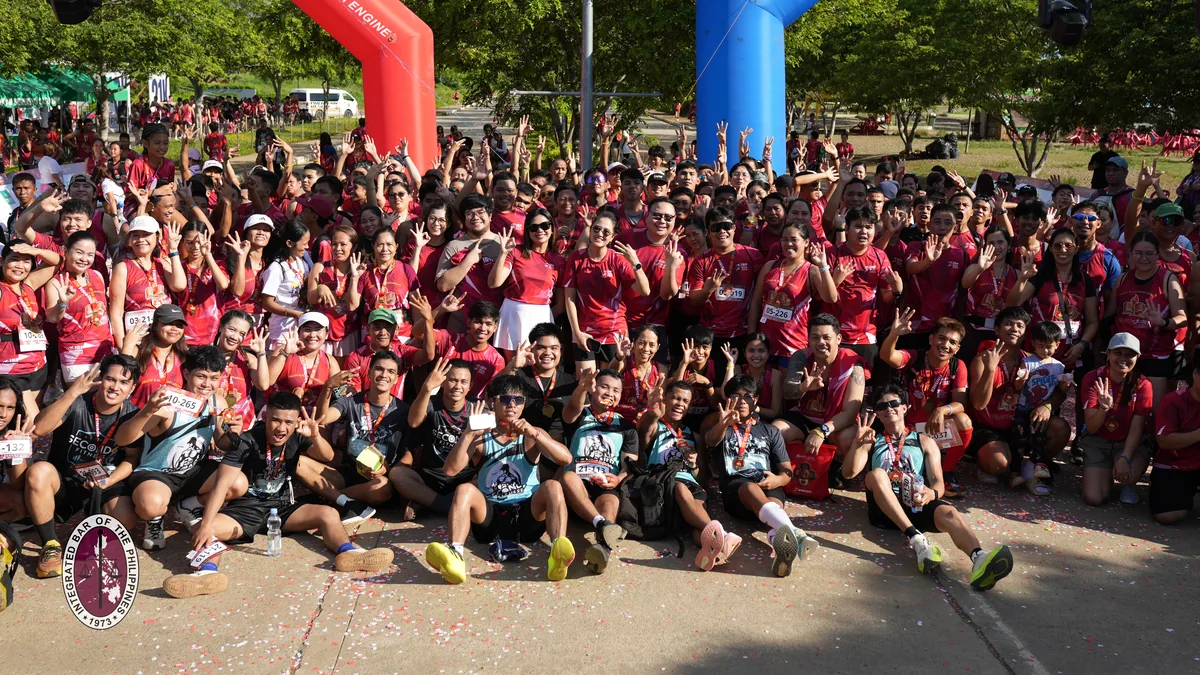
Around 1,200 Runners Join IBP Run 2026 Leg 3
Around 1,200 runners took part in the third leg of the IBP Run 2026: Pillars of Justice Quad Series on September 27, 2026, bringing together participants across four race distan...
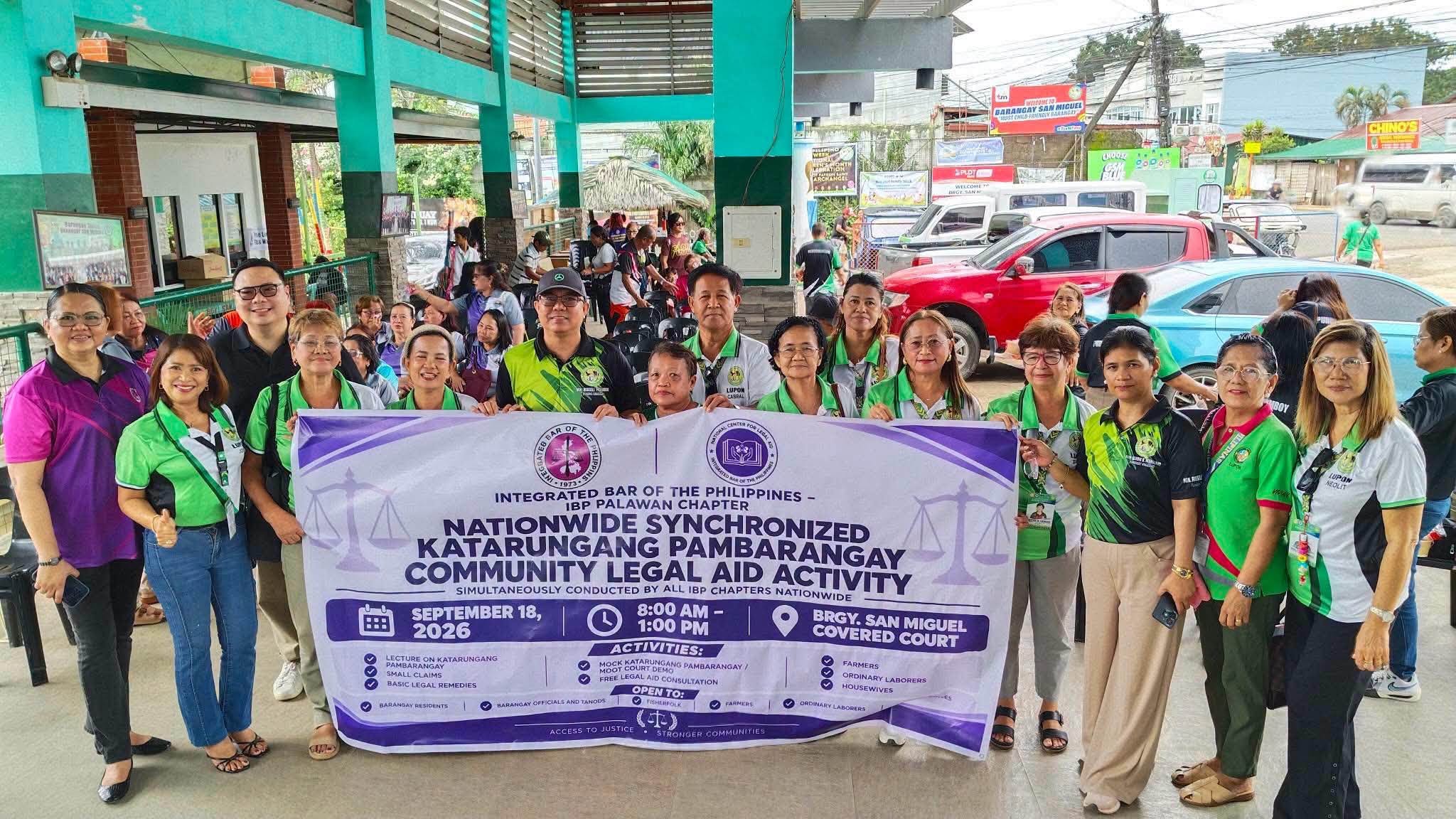
PUERTO PRINCESA CITY — September 18, 2026 — The Integrated Bar of the Philippines (IBP) Palawan Chapter continued its community legal aid efforts by providing free legal consultation and notarization services to barangay officials, Lupon members, and residents of Barangay San Miguel as part of the IBP Nationwide Synchronized Katarungang Pambarangay Community Legal Aid Activity.
Volunteer lawyers from the IBP Palawan Chapter, led by Chapter President Atty. Patrick P. Tan, offered free legal consultations and notarization of simple documents, extending legal assistance to members of the community who may otherwise have limited access to professional legal services.
The activity also featured lectures and discussions on key areas of law commonly encountered at the barangay level, including Katarungang Pambarangay, the Safe Spaces Act, the Rules on Small Claims Cases, and the Anti-Violence Against Women and Their Children (VAWC) Act.
Barangay officials from Barangay San Miguel, Barangay San Pedro, and Barangay Mandaragat participated in the program, strengthening their understanding of laws and legal procedures relevant to the performance of their duties and to the concerns regularly brought before their respective communities.
The initiative was conducted in coordination with Barangay San Miguel, headed by Punong Barangay Prince Russel Gloriani.
Also joining the activity was Atty. Susanne C. Lacson, Governor for IBP Western Visayas, lending her support to the chapter’s community legal aid initiative.
Through programs such as the synchronized Katarungang Pambarangay legal aid activity, the IBP continues to bring legal knowledge and assistance closer to local communities. For the IBP Palawan Chapter, the September 18 activity formed part of its continuing commitment to public service and to helping ensure that residents, particularly those who may have difficulty obtaining legal assistance, are given greater access to information about their rights and available legal remedies.